If you spend any time on I‑77 or weaving through Plaza Midwood at rush hour, you know Charlotte asks a lot from a windshield. Between gravel flicked up from construction zones, sudden thunderstorms, and the summer heat that bakes a parked car like a kiln, glass takes a steady beating. When a crack creeps into your field of view or a side window shatters from an opportunistic break‑in, the way you handle the next 48 hours determines how well your car and your wallet recover. The good news is that Charlotte has a deep bench of specialists, from mobile auto glass repair Charlotte teams that show up in your driveway to brick‑and‑mortar shops with advanced ADAS calibration bays. The trick is matching your need with the right service, then choosing the right glass and tint for how and where you drive.
The moment the damage happens
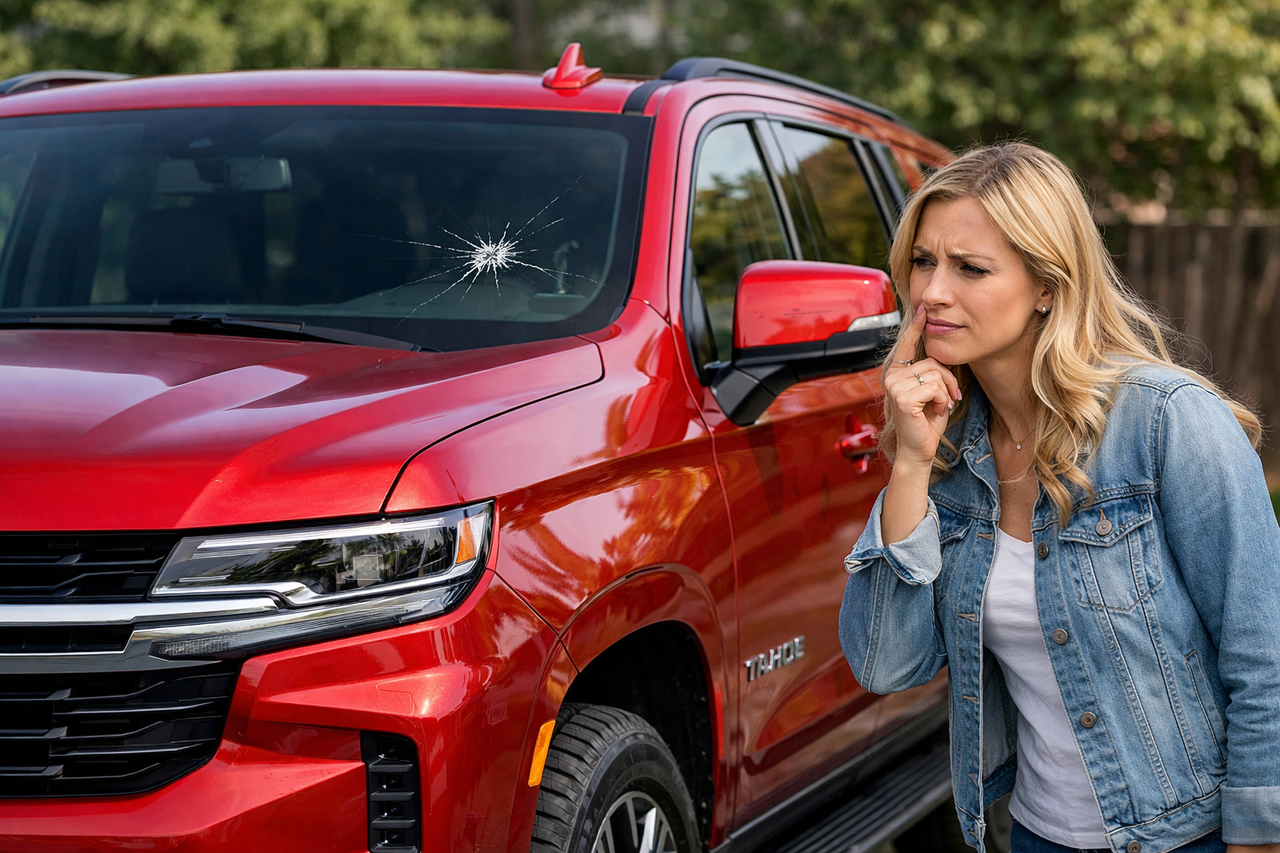
Let’s start with the small stuff. A star chip from a stray pebble on Wilkinson Boulevard looks harmless, and for the first day it often is. Then a cold night or a blast from the defroster turns a tiny impact into a 10‑inch crack. I’ve seen a windshield go from “maybe we can repair it” to “full windshield replacement Charlotte NC” in one overnight swing. Warm days, cool nights, and a little flex from closing doors all conspire against damaged glass.
For chips under a quarter in size and without long legs, windshield repair near me is often the right first move. A technician injects a clear resin under vacuum, cures it with UV, and stabilizes the damaged area. The repair takes about 20 to 30 minutes, restores most of the structural integrity, and usually leaves a faint blemish only noticeable at certain angles. Once a crack reaches the driver’s sweep area or grows longer than a few inches, replacement becomes the safer path.
Side and rear glass behave differently. Unlike laminated windshields, most side windows and many rear windows are tempered. They’re designed to shatter into small, relatively blunt pieces for occupant safety. That means there’s no repairing a broken side window replacement Charlotte scenario. If someone broke your quarter glass in South End to get at a backpack, the pane has to be replaced, the door vacuumed out, and the window regulator checked for stray shards.
Charlotte’s climate and how it treats glass and tint
Charlotte runs on extremes. June through September brings UV that cooks dashboards and dries out adhesives. January can swing close to freezing at night, and those temperature changes stress windshields. Inferior tints bubble and peel after a couple summers, and cheap urethane can lose elasticity and let wind noise creep in.
I learned this the expensive way on a previous car with an economy tint job. After two summers, the dye shifted purple, and the rear glass looked like a wrinkled film. I redid it with a ceramic film rated for 99 percent UV rejection, and the difference was immediate. Vent temps felt lower, the A/C cycled less often, and my steering wheel didn’t feel like a griddle. Charlotte’s sun punishes shortcuts, which is why your tint and glass choices matter as much as who installs them.
Safety tech tucked behind the glass
Modern windshields are more than clear plastic sandwiches. They host rain sensors, lane departure cameras, heads‑up display layers, and antennas. If your car has adaptive cruise, lane keep assist, or automatic emergency braking, your camera probably looks through an area of the glass with a special clarity zone. Replace the windshield and the camera must be recalibrated. Some vehicles accept a static calibration using target boards. Others need a dynamic calibration that requires a road drive at set speeds while the system learns lines and distances. The better shops in town combine both in controlled conditions. When you book mobile windshield replacement Charlotte service, ask how they handle ADAS. A tech who avoids the topic is a red flag. A pro will explain the calibration path for your car and whether it can be done in your driveway or needs a shop.
OEM glass, aftermarket, and what actually matters
There are three broad categories you’ll hear about:
- OEM: Glass made by the same supplier that provided the factory pane and marked with the vehicle brand. Fit and optical quality are typically excellent. Price can run 30 to 80 percent higher than aftermarket. OE‑equivalent: Glass from the same supplier without the vehicle logo, or produced to the same spec. Often the sweet spot, especially when paired with the correct sensor brackets and acoustic interlayers. Aftermarket value: Serviceable for older vehicles without sensors, but optical distortion or slightly off frit patterns can cause wiper chatter or camera issues.
Here’s where local experience pays off. A top Charlotte technician knows which third‑party windshields match the factory curve on a 2018 F‑150 with a heated wiper park, and which ones produce a slight bend you’ll notice at night. If your commute includes a lot of dark two‑lane driving, optical distortion becomes more than an annoyance. Skimping there is false economy.
For side glass and rear glass, the choice is usually simpler. Tempered replacements either fit or they don’t. The main variables are acoustic lamination on some front side windows, integrated antenna lines in certain rear glass, and tint shades pre‑baked into the glass versus film. If you’re particular about sound isolation, ask whether your model’s front door glass is acoustic laminated. Some mid‑tier trims have it, and it makes a surprising difference in highway hush.
Tint options that make sense in the Queen City
North Carolina sets tint limits by visible light transmission (VLT). Passenger cars need at least 35 percent VLT on the front and rear sides and the rear window, measured with a 3 percent tolerance. SUV and vans can have darker rear windows, but front sides still need 35 percent. Windshield tint is limited to a top strip above the AS‑1 line. Reflective or mirror‑like films aren’t allowed beyond modest levels. Local enforcement is pragmatic, but an illegal shade can fail inspection and invite a fix‑it ticket.
Technique matters as much as the film. Shops that pre‑shrink film on a glass board to match your car’s compound curves avoid fingers and creases, especially on tight rear glass like a Camaro or some hatchbacks. On my own sedan, I went with a 35 percent ceramic film on the sides and a 70 percent heat‑rejection film on the windshield that remains legal because it’s so light. The windshield layer cut heat loads dramatically without making night visibility tricky.
Common film types you’ll be offered:
- Dyed: Affordable, reduces glare, modest heat rejection, dyes can fade purple over time. Metalized: Better heat rejection, but can interfere with GPS, keyless entry, and phone signals. Look past this unless price demands it. Carbon: Stable color, decent heat control, no signal interference, a good budget step up. Ceramic: The leader for Charlotte heat. High infrared rejection without darkening, durable, and gentle on electronics.
If you park outside near SouthPark or NoDa for work, ceramic earns its keep. Expect a premium of 30 to 60 percent over dyed films, but plan to keep the car cooler for years. Ask about the warranty on both film and labor. A reputable shop will provide written terms and specify whether the warranty is transferable.
Mobile versus shop service, and when each shines
Mobile auto glass repair Charlotte technicians can save your day. If your windshield chip is fresh, a mobile repair in a covered parking deck beats driving around while dirt contaminates the impact. Same for a side window shattered by a break‑in. A tech can show up with a vacuum, seal the door, and get you back on the road.
For full windshield replacement Charlotte NC involving cameras or heads‑up displays, I favor a controlled shop environment. Temperature and humidity affect urethane cure times. Pollen season brings airborne grit that wants to land on your bonding surface. In a shop, they can set the glass at perfect temperature, use OEM‑spec adhesives, and roll your car into a calibration bay. There are exceptions. On a temperate day, I’ve had mobile windshield replacement Charlotte on a basic pickup without sensors go flawlessly. The key is asking the right questions and heeding safe‑drive‑away time. Quality urethanes may set enough for careful driving in 60 to 90 minutes, but full cure can take up to 24 hours. Avoid car washes and slamming doors in that window.
What “the best” auto glass shop looks like in practice
The best auto glass shop Charlotte NC isn’t just a clean sign and a waiting room with good coffee. It’s process. It’s the way the service writer photographs the VIN and all sensor clusters before ordering glass. It’s the tech who dry‑fits a side window and checks regulator travel before final install. It’s a consistent use of primer and a fresh blade to remove old adhesive without gouging the pinch weld. When I vet a shop, I’m listening for specifics, not slogans. Do they name the adhesive brand and cure time? Can they explain whether your rain sensor needs a gel pad or a re‑used optic? Do they own a scan tool to clear ADAS fault codes after calibration? If the answer is yes and the tech speaks in details rather than generalities, you’ve likely found the right spot.
Insurance is another tell. Many policies include glass coverage with low or zero deductible for repairs and a modest deductible for replacement. A seasoned shop handles the claim, schedules the inspection if required, and ensures OEM parts if your policy allows it. If a shop tries to steer you toward the cheapest glass without asking about your coverage, they’re protecting their margin more than your car.
The Charlotte scenarios I see most and how to handle them
Morning commute chip on I‑85: Pull off at the next safe stop and put a clear patch over it. If you don’t have a kit, clear tape keeps dirt out for a day. Book a windshield repair near me for the same day. The resin bond is strongest on a clean, fresh impact.
Uptown parking deck break‑in: Call a mobile team for side window replacement Charlotte. Ask them to check the door’s weather seal and sweep the drain holes for glass fragments. Drive gently the rest of the day to let new seals seat and any adhesive set.
Back glass failure after a cold snap: Rear windshield replacement Charlotte NC likely requires the defroster grid to be matched. Ask the shop to test grid continuity before you drive away, then again after a week. If your model uses an integrated antenna, verify radio signal strength.
Crack across the driver’s sweep area: Book a replacement rather than repair. If the vehicle has lane keep assist, plan for calibration. If rain is in the forecast, aim for a shop install.
Fleet vehicle with a tight schedule: same day auto glass repair Charlotte NC is real, but it works best when you provide VINs and photos early. Mobile teams can stage replacements at your lot while drivers rotate vehicles.
Glass, tint, and the law
North Carolina inspection stations check for cracks that obstruct the driver’s view and illegal tint. Charlotte officers rarely hassle reasonable shades, but laws exist for a reason. A windshield with a neglected crack through your line of sight can cause light scatter at night, which masks pedestrians and cyclists on Tryon. As for tint, 35 percent VLT on front sides keeps you legal on passenger cars. Remember that stacked layers add up. If your factory glass starts at 80 percent and you add a 35 percent film, your final may test closer to 28 to 30 percent depending on the meter. A good shop measures before and after.
Windshield banners are legal above the AS‑1 line, but many modern cars don’t mark it. The practical rule is a visor strip that sits above the wipers’ highest sweep. Keep reflective elements subdued. Anything mirror‑bright can draw attention and hamper night driving.
What to expect on price in Charlotte
Ballpark ranges help with planning. For a basic chip repair, expect 80 to 140 dollars, often waived by insurance without hitting your deductible. A typical aftermarket windshield on a sedan without sensors runs 300 to 500 dollars installed. Add acoustic interlayers, heating elements, rain sensors, or HUD and you might land between 600 and 1,200 dollars depending on OEM versus OE‑equivalent. Luxury brands and intricate ADAS setups can push beyond 1,500 dollars.
Side window replacements often land between 200 and 400 dollars, with quarter glass sometimes higher due to trim complexity. Rear glass with defrosters and antennas ranges from 300 to 900 dollars. Tint pricing varies by film type and vehicle. Dyed film on a sedan may be 200 to 300 dollars. Ceramic systems tend to be 400 to 800 dollars, more for large SUVs or complex rear glass.
If a quote seems dramatically cheaper than the field, ask what you’re losing. Sometimes it’s just a shop running a seasonal promotion. Other times it’s a bargain urethane with long cure times or a glass brand with known optical quirks.
The quiet details that separate a lasting job from a quick fix
A windshield install lives or dies on prep. The installer should glove up, strip the old urethane to a uniform thin layer, and wipe the pinch weld with the correct primer. The glass itself gets a matching primer on the frit band. Dry fit matters. On a BMW or Subaru with tight tolerances, a millimeter off at the top edge can cause wind hiss at highway speeds.
After install, listen during the first drive. A light whistle that rises with speed can indicate a gap near the A‑pillar. Tap gently around the perimeter with your palm. A hollow change in sound may reveal a low spot in adhesive. Address it before everything cures. For side windows, check one‑touch up and down functions. Many cars need the pinch protection system re‑learned after power loss or regulator work. Cycle the window fully down and up, hold for a few seconds, and repeat if necessary to teach the system the stops.
With tint, watch for contamination points. A few small dust nibs are normal, especially along the lower edge. Broad haze usually clears as the film cures. Bubbles larger than a pea or fingers along curves typically indicate poor shrinking or trapped moisture that won’t evaporate. Quality installers schedule a follow‑up to smooth any early issues.
Making the most of mobile service without compromising quality
Mobile work thrives when both sides prepare. Choose a level, shaded spot. A garage is perfect. If it’s cold, the tech may bring a portable heater to keep urethane within its ideal temperature range. Rain complicates things. A pop‑up canopy helps but won’t cover everything if wind is gusty. If a storm threatens, reschedule at a shop rather than forcing a risky set.
Ask the mobile team how they protect your paint and dash. I’ve watched pros drape fenders, lay a catch liner inside to snag old urethane, and vacuum as they go. The ones who respect your car’s surfaces generally respect the invisible details too.
How to pick your path when time is tight
When something breaks, decision fatigue hits fast. A simple way to choose:
- If you can see the damage in your center field of view while driving, prioritize safety and book a replacement or repair immediately. A small blemish off to the side can wait a day. If your vehicle has ADAS features you rely on for highway driving, lean toward a shop with a calibration bay rather than a rushed mobile set. If heat is your daily enemy, budget for ceramic tint and consider a legal, heat‑rejecting windshield film. The comfort gain in Charlotte is real. If your policy includes glass coverage, loop the shop into the claim early. You may qualify for OEM glass without paying the difference.
Real‑world examples from Charlotte roads
I worked with a rideshare driver based in Dilworth who logged 40,000 miles a year. Every winter, he picked up at least two chips from road debris on I‑277. The first year he ignored them and paid for two full replacements. After a nudge, he started booking auto glass repair Charlotte NC within a day of each hit. Over the next two years, he repaired five chips for a fraction of the cost and never needed another windshield. Small, fast moves saved him a grand and downtime he couldn’t afford.
Another case: a family in Ballantyne with a three‑row SUV and a garage full of sports gear. A lacrosse ball took out the quarter glass, and they wanted tint to match the factory shade afterward. The shop sourced pre‑tinted tempered glass to match the OE look rather than applying film. The match was better, and they avoided the seam lines that show up when you tint over dot‑matrix borders. Details like that matter to owners who keep cars for a decade.
What to ask before you say yes
You don’t need to be a glass expert to sound like one. A few targeted questions reveal whether you’re in good hands.
- Which glass brands are you using for my VIN, and why that choice? Does my vehicle require static, dynamic, or both ADAS calibrations after windshield replacement? What urethane are you using, and what is the safe drive‑away time today given the temperature and humidity? Is the rain sensor gel pad replaced or re‑used, and do you test it before delivery? For tint, what is the film’s VLT and IR rejection percentage, and what is the warranty coverage on fading, bubbling, and labor?
A strong shop answers without hedging and respects that you care.
When speed matters: same day options
When your schedule goes sideways, same day auto glass repair Charlotte NC is not a myth. The limiting factors are parts availability and weather. Common windshields for popular sedans and crossovers are stocked locally. Exotic trims or vehicles with unique HUD layers may require a day or two. If you need service today, be flexible on location. Let the shop decide whether mobile or in‑shop offers the best chance of a clean, fast fix. And give them the VIN over the phone. Those 17 characters unlock the right glass, molding, clips, and brackets without guesswork.
The long view: protecting your investment
Once the glass is in and the tint cures, a few habits keep everything looking and performing like day one. Use quality wiper blades. Dry grind from dusty blades scratches windshields at a microscopic level, and over time creates glare halos around lights. Replace blades every 6 to 12 months in Charlotte, shorter if your car bakes outside. Keep washer fluid topped with a formula that cuts summer bug guts, especially after a late night on Independence Boulevard.
With tint, avoid ammonia cleaners. A simple mix of water and a drop of mild soap works. For rear windows, wipe horizontally to respect defroster lines. Give film a week to cure before rolling windows down, longer if humidity spikes. If you get your windshield ceramic coated, pick a product rated for glass to maintain wiper performance.
Bringing it all together on Charlotte streets
Car window replacement Charlotte NC isn’t a one‑size job. It’s a set of decisions shaped by how you drive, where you park, what tech lives behind your glass, and how hot your commute runs. Whether you’re calling mobile auto glass repair Charlotte for an emergency patch, scheduling a rear windshield replacement Charlotte NC after a cold snap, or choosing a tint to tame August, you have options that fit the Queen City’s mix of heat, storms, and traffic.
Choose a shop that treats your car like a system, not just a piece of glass. Ask the pointed questions. Favor materials that stand up to sun and time. Use tint that respects North Carolina law while keeping your cabin cool. If you do those things, the view through your windshield stays clean and calm, even when I‑77 car window replacement Charlotte NC 28256 isn’t. And when the next pebble flies or a sudden crack crawls across your line of sight, you’ll know exactly who to call, what to ask for, and how to get back in motion without missing a beat.